
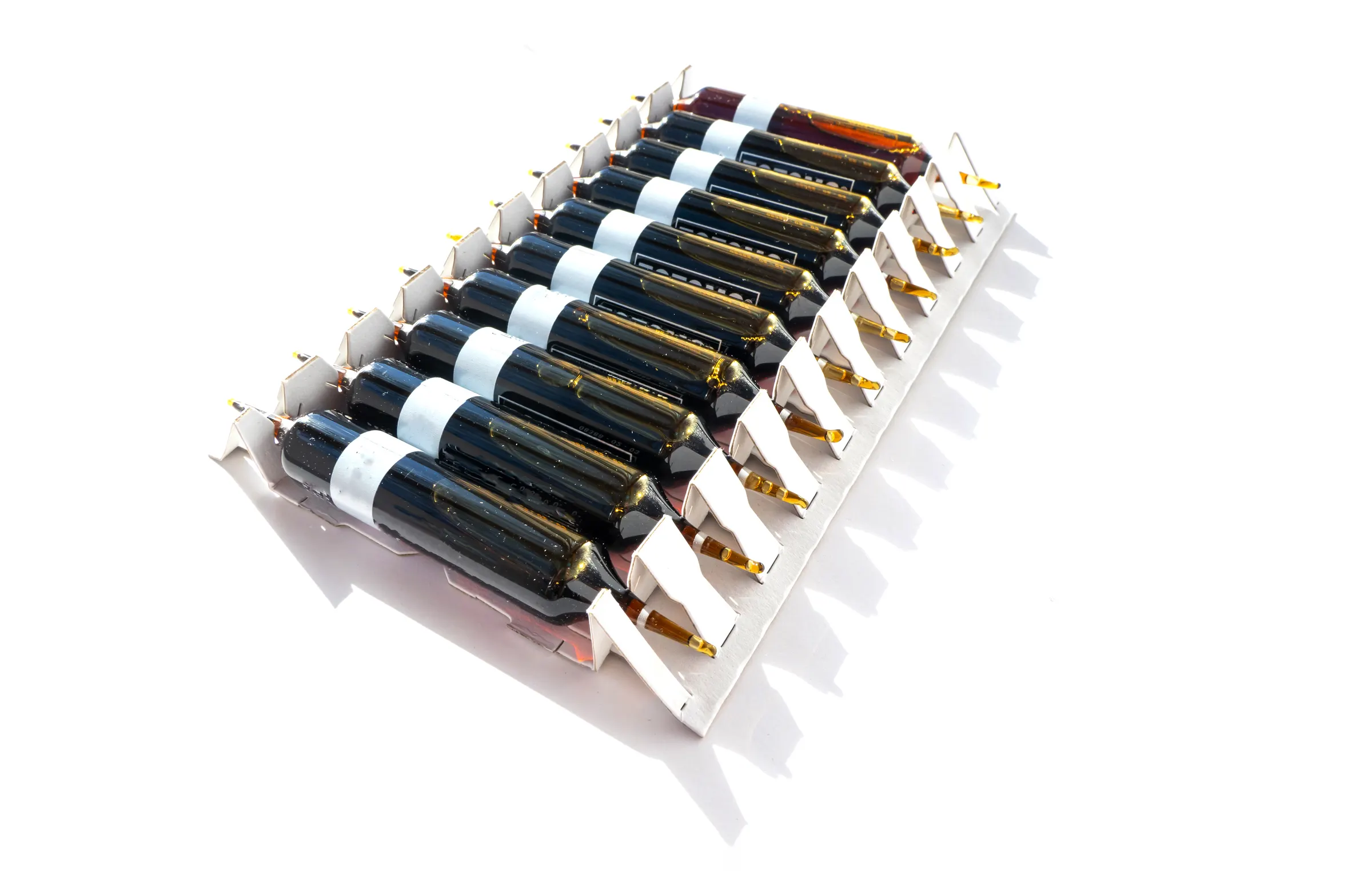
Treatment snapshot
At a Glance
- Appointment
- Draw takes about 10 to 15 minutes
- Fasting
- Required for some panels, not for others. You are told when you book
- Results review
- Included in every panel priced with consultation
- Payment
- Cash pay unless otherwise noted
- Price range
- $30 and up for basic labs, to $599 for genetic panels
Who This Is For
Testing here tends to make sense if you:
- Have symptoms you want quantified rather than guessed at: fatigue, hormonal changes, weight changes, hair thinning, low libido
- Want a baseline before starting hormone optimization or medical weight loss
- Are on therapy elsewhere and want independent monitoring
- Have a reason to suspect a nutrient deficiency, such as a restricted diet, malabsorption, bariatric surgery, or reduced intake on an appetite suppressing medication
- Have had a medication fail or cause side effects at a normal dose, the situation pharmacogenetics is actually built for
- Want a panel without waiting for a referral and are comfortable paying cash
It is the wrong service if you need scheduled disease screening, a workup for a new and concerning symptom, or anything that should be billed to insurance. That belongs in primary care, and Neighborhood NP operates in the same suite and accepts most major insurance.
Compare the options
What Each Test Measures, and What You Would Do With It
01 / Specialty lab references
Specialty lab references
SpectraCell is the reference for telomere and micronutrient testing. Nutrigenomix is another specialty lab reference. Your provider confirms the testing appropriate for your consultation.
02 / Telomere testing plus consultation, $399
Telomere testing plus consultation, $399
Telomeres are the repeating caps at the ends of chromosomes that shorten as cells divide. The test estimates average telomere length in your white blood cells against age matched averages, sometimes labeled a biological age. Gives you: a real number, and a research grade biomarker with population level associations to age related outcomes. Cannot do: it is not diagnostic and not predictive for you as an individual. Measurements differ between laboratories and methods, repeat variability can be large relative to the differences reported, and no treatment is proven to lengthen telomeres in a way that changes health outcomes. What we do with it: honestly, nothing we would not already do based on your risk factors, labs, body composition, and habits. That is why it is offered as an interest based add on rather than a diagnostic, and why you should skip it if you expected it to tell you what to change.
03 / Micronutrient testing plus consultation, $499
Micronutrient testing plus consultation, $499
A broad panel of vitamins, minerals, and related markers, often measured inside white blood cells rather than in serum. Gives you: identification of a deficiency worth correcting, most valuable when there is a reason to expect one: a restricted diet, malabsorption from celiac disease, inflammatory bowel disease or bariatric surgery, heavy alcohol use, some long term medications, or sharply reduced eating on a GLP-1 medication. Cannot do: intracellular assays are not standardized across laboratories the way basic chemistry is, ranges differ by lab, and a flagged low value does not prove your symptoms come from it. What we do with it: targeted repletion with a defined recheck interval, dietary change, and stopping supplements you take for no measured reason. The honest alternative: with a varied diet and no risk factors, checking vitamin D, B12, folate, and ferritin at basic lab pricing answers most of the practical question for a fraction of $499.
04 / Pharmacogenetics plus consultation, $599
Pharmacogenetics plus consultation, $599
A one time genetic test of variants in drug metabolizing enzymes and related genes, the ones that determine whether you process certain medications quickly, slowly, or normally. Gives you: guidance for specific drug and gene pairs where published prescribing guidelines exist, informing drug choice or starting dose. Your genotype does not change, so the result stays useful for life. Cannot do: it does not tell you whether a medication will work, covers only some drugs, and does not replace monitoring or titration. What we do with it: put it in your chart, give you a copy for any prescriber, and use it when choosing between medications where a guideline applies.
Plan the visit
How It Works at LouWellSpa
Choose the panel
Bring the question, not the product name. If a cheaper test answers it, you hear that first.
Prep instructions
Fasting requirements, timing, and any supplement holds are given when you book, because several of these tests are sensitive to all three.
Results review
A visit to go through results line by line: what is outside range, what that means in your context, what is worth acting on, and what is noise.
The plan
Treatment here, a repeat test at a stated interval, a referral, or no change at all. All four are legitimate outcomes.

What to expect, Lab Testing
Before and After Your Draw
Fasting
Required for lipids and glucose based tests, not for most others. Follow the instruction you were given rather than a general rule.
Timing matters more than people expect
Testosterone is conventionally drawn in the morning, when levels are highest. Female hormone panels are often timed to a point in the cycle, which is why you may be asked about your last period before scheduling. Thyroid results shift with when you took your medication that day.
Supplements
High dose biotin, common in hair and nail products, can interfere with certain lab immunoassays and skew results, so tell your provider what you take and expect to pause some of it beforehand. Do not stop a prescribed medication without speaking to the prescriber.
After the draw
Keep pressure on the site for a few minutes, expect possible bruising, and eat if you fasted.
Pricing
Clear numbers, before treatment.
| Service | Price |
|---|---|
| Basic labs, prices vary | $30 and up |
| Advanced hormone panel plus consultation | $199 |
| Telomere testing plus consultation | $399 |
| Micronutrient testing plus consultation | $499 |
| Pharmacogenetics plus consultation | $599 |
| Nutrigenomix plus consultation | $599 |
Included. For every panel listed with consultation, the fee covers the test and the visit to review the result.
Prices are subject to change and this page is not inclusive of all services, products, and discounts. See the full price list.
Fit, limits, and risk
Limits, Risks, and Who Should Skip This
The physical risk of a blood draw is minor: bruising, brief soreness, occasionally lightheadedness. The meaningful risks of elective testing are informational.
Testing more finds more, and not all of it matters
The more analytes you measure, the more values land slightly outside a reference range by chance alone, and some of those lead to worry, repeat testing, and cost without better health. Ordering a test with a question in mind is the defense against that.
A normal result is not clearance
None of these panels screen for cancer, cardiovascular disease, or any other condition, and a reassuring number does not replace age appropriate screening with a primary care clinician.
Skip elective panels if
you are acutely unwell and need evaluation rather than a menu item, if you are pregnant and the panel has not been reviewed for that context, if the result would not change anything you do, or if paying for it would mean skipping care that would.
Individual results vary and no outcome is guaranteed.
Why this practice
Why Patients Choose LouWellSpa for Testing
We tell you which tier a test sits in
Telomere testing is described here as a research grade biomarker with limited clinical actionability, because that is what it is. A practice that will not say that about one test is not a reliable narrator about the others.
Every priced panel comes with a human explanation
The consultation is in the price, not an upsell after the fact.
A cheaper test that answers your question beats an expensive one that does not
Sometimes the honest answer is vitamin D and ferritin at basic lab pricing.
Results have somewhere to go
Hormone optimization, medical weight loss, and IV therapy are in the same suite, and Neighborhood NP handles what belongs in insured primary care.
Questions, answered plainly
Frequently Asked Questions
How much does lab testing cost at LouWellSpa?
Basic labs start at $30 and vary by test. The advanced hormone panel with consultation is $199, telomere testing with consultation is $399, micronutrient testing with consultation is $499, and both pharmacogenetics and Nutrigenomix are $599 with consultation. Every panel listed with consultation includes the visit where a provider goes through your results with you. Prices are subject to change.
Is telomere testing worth $399?
For most people, no, if the goal is information that changes your care. Telomere length is a research grade biomarker: the measurement is real, but it is not diagnostic, results vary between laboratories and between repeat draws, and no treatment is proven to lengthen telomeres in a way that changes outcomes. We offer it as an interest based add on, not as a diagnostic, and we say so before you buy it.
Do these tests tell me whether I have a disease?
No. Nothing on this page diagnoses, screens for, or rules out disease. These panels measure specific analytes or genetic variants, and results are interpreted alongside your history, symptoms, and exam by a provider. A number inside a reference range is not clearance, and age appropriate disease screening belongs with a primary care clinician rather than with elective testing.
Will my insurance cover any of this?
The panels on this page are cash pay and we do not bill insurance for them. Elective and advanced testing of this type is often not a covered benefit regardless of who orders it. Neighborhood NP, a separate primary care practice in the same suite, accepts most major insurance, and medically indicated labs ordered there may be billable to your plan. Ask about receipts for HSA or FSA use.
What is the difference between $30 basic labs and the $199 hormone panel?
Basic labs are individually priced standard tests such as a blood count, metabolic panel, lipids, thyroid function, or vitamin D, and you pay per test. The $199 advanced hormone panel is a broader set of hormone related markers bundled with a consultation to review them. If your question is a single value, basic labs are usually the cheaper and better answer.
Do I need a referral or an existing relationship to order a panel?
No referral is required. The panels are ordered by a licensed provider here after a brief conversation about what question you are trying to answer, which is what keeps this from being a vending machine. If the panel you asked for does not answer your question, you will hear an alternative before anything is drawn.
Do I need to fast?
For some panels, yes, particularly lipids and glucose based tests. For others, no. Fasting and timing instructions are given when you book, since several tests on this page are sensitive to time of day, menstrual cycle timing, or when you last took a medication. Follow the specific instruction you were given rather than a general rule you read elsewhere.
Should I stop my supplements before a blood draw?
Tell your provider everything you take, because some supplements affect results. High dose biotin, common in hair, skin, and nail products, can interfere with certain lab immunoassays and produce misleading values, so you may be asked to pause it for a period beforehand. Never stop a prescribed medication on your own; ask the clinician who prescribed it first.
What can pharmacogenetic testing actually change about my care?
It can inform drug selection and starting dose for specific medications where published prescribing guidelines link a gene to a drug. It is most useful if a medication has failed you or caused side effects at an ordinary dose. It cannot predict whether a drug will work, it does not cover every medication, and it does not replace monitoring. The result is permanent, so it is tested once.
Is micronutrient testing better than just checking vitamin D and B12?
It is broader, not automatically better. Micronutrient panels are most valuable when there is a reason to expect deficiency, such as malabsorption, bariatric surgery, a restricted diet, or sharply reduced intake. Without a risk factor, checking vitamin D, B12, folate, and ferritin at basic lab pricing answers most of the practical question. Reference ranges for intracellular assays also vary between laboratories.
Who explains my results to me?
A provider does, at a visit included in the price of every panel listed with consultation. The review covers which values are outside range, which of those matter in your context, what is worth acting on, and what is statistical noise from measuring many things at once. You are not sent a PDF and left to interpret it on your own.
Are my genetic results private?
Your results are part of your medical record and handled under HIPAA. Two things are worth knowing before you test: genetic information can carry implications for biological relatives, and while federal law limits how health insurers and most employers may use genetic information, those protections do not extend to life, disability, or long term care insurance. Consider that in advance rather than afterward.
Important information
This page is for general education and is not medical advice. Laboratory testing is ordered and interpreted by a licensed provider. No test described here diagnoses, screens for, prevents, treats, or cures any disease, and no result should be treated as clearance from illness. Some tests described are elective and are not standard of care. Individual results vary. No outcome is guaranteed. Prices are subject to change and this page is not inclusive of all services, products, and discounts.