
01 / Lips
Lips
Hydration, border definition, correction of asymmetry, or added volume. Conservative amounts across more than one session hold shape better than one large session. Typically 6 to 12 months.
Treatment snapshot
A closer look
Hyaluronic acid is a sugar molecule your body already makes. It sits in skin, cartilage, and connective tissue, and it binds a large amount of water relative to its size. Injectable filler is that same molecule manufactured in a lab and chemically cross linked, which turns a thin fluid into a stable gel that holds a shape once placed.
The gel does two things at once. It occupies space, which lifts the tissue above it, and it draws water into that space, which is why a treated area plumps slightly over the first days. Cross linking density determines firmness. A softer, spreadable gel suits thin skin such as the tear trough. A firmer, higher projection gel suits structural work such as chin and jawline. Choosing the wrong firmness for the layer is a common cause of a result that looks placed rather than natural.
Depth matters as much as volume. Product can sit deep against bone for support, in the mid layers for contour, or superficially for a fine line, and each layer calls for a different product and technique.

These two treatments solve opposite problems and are frequently confused.
Neurotoxin answers dynamic lines. Those are creases created by muscle movement, visible when you frown, squint, or raise your brows. Relaxing the muscle stops the fold, and the line softens. See Neurotoxins for that side of the plan.
Filler answers volume loss and static lines. Static lines sit in the skin at rest and stay put when your face is still. They are the result of repeated folding plus thinning skin plus the loss of fat and bone underneath. No amount of muscle relaxation reaches them, because the muscle is not what is holding the crease open.
In practice the two are sequenced rather than chosen between. A common order is neurotoxin first, then filler at the two week mark once the muscle has settled, so product is placed into a face that is no longer folding. Both can also be done in one visit when the treated areas do not overlap. Your provider will tell you which order your plan calls for and why.
Compare the options
01 / Lips
Hydration, border definition, correction of asymmetry, or added volume. Conservative amounts across more than one session hold shape better than one large session. Typically 6 to 12 months.
02 / Cheeks and midface
The most structurally useful area on the face. Restoring midface projection lifts what sits below it, which often softens the nasolabial fold without injecting the fold itself. Typically 12 to 18 months.
03 / Tear trough and under eye
The most technically demanding area and the one with the strictest candidacy. Read the candidacy section below before assuming this is for you. Typically 9 to 12 months when appropriate.
04 / Nasolabial folds
Often improved indirectly by treating the cheek first, then refined directly if needed. Typically 9 to 12 months.
05 / Marionette lines
The creases running down from the mouth corners, usually treated alongside chin support rather than in isolation. Typically 9 to 12 months.
06 / Chin and jawline
Structural work that changes the profile and the way the lower face reads. This area often takes more than one syringe. Typically 12 to 18 months.
07 / Temples
Hollowing here narrows the upper face and makes the brow look heavy. The correction is subtle and usually reads as a general improvement rather than as a treated area. Typically 12 to 18 months.
Plan the visit
Your provider looks at your face in repose and in motion, in a mirror with you, and identifies where volume was lost rather than where you noticed a line. These are often different places.
You get the number of syringes, the product chosen for each area, and the full cost before anything is opened. If your goals need more than one session, you hear that here so you can stage the spend.
Standardized photos in fixed lighting for your chart, plus a review of risks including the vascular risk described below.
Topical anesthetic for 15 to 20 minutes. Most hyaluronic acid fillers also contain lidocaine, so comfort improves as the first product goes in.
A fine needle, a blunt tipped cannula, or both. Cannulas are frequently chosen in the midface and under eye because a blunt tip is less likely to enter a vessel.
You look before you leave, and your provider molds the product and confirms symmetry.
Included. Swelling is gone by then, so this is where small refinements happen.
What to expect, Dermal Fillers
Where medically appropriate, avoid alcohol for 24 hours and blood thinning supplements such as fish oil, high dose vitamin E, and NSAIDs for several days, since these increase bruising. Never stop a prescribed anticoagulant without speaking to the prescribing clinician. Book at least two weeks away from dental work and scheduled vaccinations.
You are upright and awake. Lips and the perioral area are the most sensitive, and most patients report pressure rather than sharpness once the lidocaine takes hold.
Swelling peaks. Lips swell disproportionately, and it is normal to leave liking the result less than you will in a week. Ice in short intervals, sleep with your head elevated, and skip strenuous exercise, heat, and alcohol.
Swelling drops off and any bruising surfaces then fades. Most patients are comfortable in public by day 3, though lips can take longer.
The product has integrated with the tissue and softened. This is your actual result and the right time to judge it.
Gradual breakdown. Rebooking before the area is empty tends to take less product than starting over.
Pricing
| Service | Price |
|---|---|
| Per syringe, price varies by product and area | $700 to $800 |
| Liquid lip flip, half syringe | $375 |
Why the syringe price is a range. Different products cost the practice different amounts, and areas differ in how much product they consume. Your provider quotes your total at consultation, before treatment.
What is included. Consultation and facial mapping, topical numbing, treatment, photos, and the two week follow up.
What is not included. Additional syringes beyond your original plan, dissolving, and other modalities such as neurotoxin or biostimulation, which are priced separately.
Dissolving is its own service. Hyaluronidase, the enzyme that breaks down hyaluronic acid filler, is billed as a treatment because it takes a visit, product, and clinical time, whether you are dissolving something you no longer want, correcting an asymmetry, or resolving a complication. We keep it on site.
Prices are subject to change and this page is not inclusive of all services, products, and discounts. See the full price list.
Hyaluronic acid filler breaks down over time through normal enzymatic activity. Duration varies by area, product, and metabolism, and areas with constant movement such as the lips resorb faster than static areas such as the chin.
That impermanence is a feature. If you dislike your result, if it settles unevenly, or if a complication develops, hyaluronidase can dissolve the product. Dissolving is not perfectly precise, it can remove some of your own native hyaluronic acid alongside the filler, and the area may look temporarily deflated before it recovers. Even so, reversibility is the strongest argument for choosing hyaluronic acid over permanent or semi permanent implants.
Fit, limits, and risk
Filler is a medical procedure and carries real risk. Here is the honest version.
Swelling, tenderness, redness at injection points, and bruising, which is more likely in the lips and under the eyes.
Palpable firmness in the first two weeks is often normal and resolves as the product integrates. A lump that persists past that point can usually be molded, dissolved, or adjusted at follow up. Report it rather than waiting it out.
When hyaluronic acid gel is placed too superficially under thin skin, it scatters light and produces a bluish gray cast, most often under the eyes. It does not fade on its own and is corrected by dissolving. Correct product choice and correct depth are how it is avoided.
Rare, and the reason everything else on this list is worth taking seriously. If filler is injected into or compresses a blood vessel, blood flow to the tissue that vessel supplies can be interrupted. Untreated, this can lead to skin loss, and in the case of vessels connected to the ocular circulation, to vision changes. Warning signs are immediate disproportionate pain, blanching, or a mottled discoloration. It is managed as an emergency with hyaluronidase, which is why injector training, anatomical knowledge, aspiration and cannula technique, and having hyaluronidase in the building are not marketing points. They are the standard of care.
Not everyone is a candidate. Thin skin, a tendency to hold fluid, malar edema or bags that fill in the morning, thyroid eye disease, marked skin laxity, or dark circles caused by pigment rather than shadow all make this area a poor choice, because filler can then look puffy, blue, or worse than the hollow it was meant to fix. If your provider says no to the tear trough, that is an assessment, not a sales decision, and there are usually better options including skin treatments and biostimulation.
Patients ask about this now, and they should. Migration means product moving beyond where it was placed, most visibly as a shelf above the lip border. It is associated with overfilling, repeated treatment before previous product has resorbed, superficial placement, and product choice that does not match the tissue. It is far less common with conservative volumes, appropriate spacing between sessions, and correct depth. If it happens, it is corrected by dissolving and, if you want, restarting from a clean base.
are pregnant or breastfeeding, have an active infection or inflamed skin at the treatment site, have a known allergy to hyaluronic acid products or to lidocaine, or have a history of anaphylaxis. Tell your provider about bleeding disorders and blood thinners, autoimmune conditions, a history of cold sores, prior permanent or unknown filler anywhere on your face, recent or upcoming dental work, and any planned vaccination.
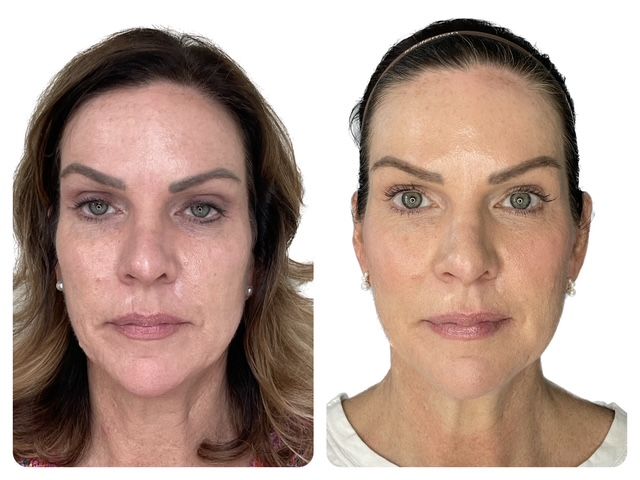
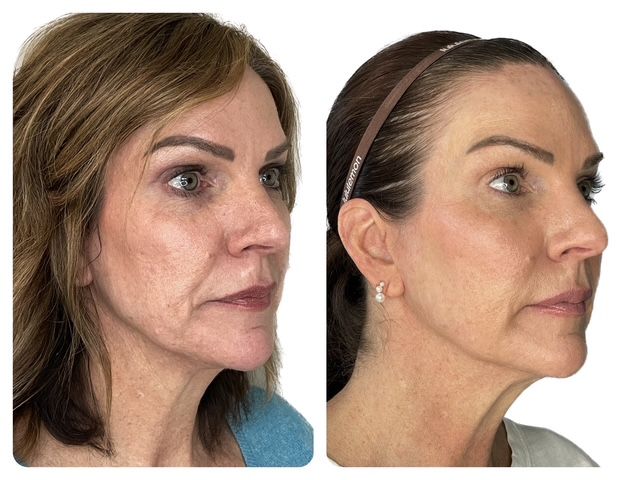
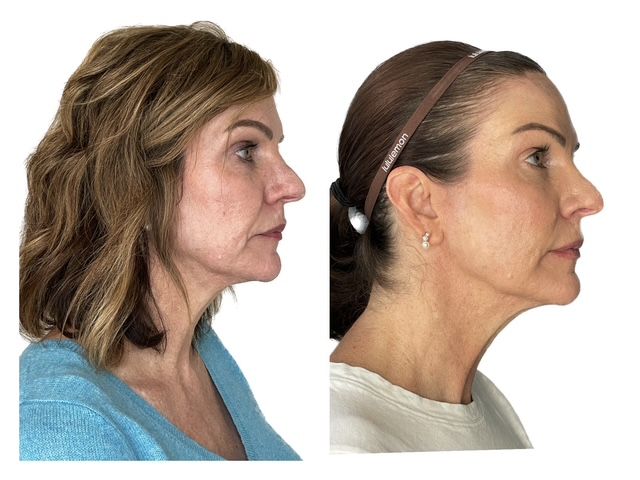
Results vary. Product choice, anatomy, tissue quality, injection technique, and metabolism all influence how a result looks and how long it lasts.
Why this practice
We would rather place less and see you at two weeks than overfill in one sitting. Product can be added. Removing it costs you another appointment.
We treat the reason a line exists, which is frequently not where the line is.
for elective dissolving and for the rare complication that has to be managed immediately.
If an area is not right for you, particularly the under eye, you will be told so and offered the alternative that fits.
The WELL side of the practice handles hormone optimization, lab testing, and medical weight loss in the same suite, and significant weight loss changes what filler you need.
Questions, answered plainly
Dermal filler is $700 to $800 per syringe, with the exact figure depending on which product is used and which area is treated. A liquid lip flip, which uses a half syringe, is $375. Your total depends on how many syringes your plan requires, and structural areas such as the chin and jawline commonly take more than one. You receive the full cost at consultation, before any product is opened.
It depends heavily on the area. Lips typically hold 6 to 12 months because constant movement speeds breakdown. Nasolabial folds, marionette lines, and the under eye area typically hold 9 to 12 months. Cheeks, chin, jawline, and temples typically hold 12 to 18 months. Your metabolism, activity level, and the specific product all shift these numbers, so treat them as ranges rather than promises.
Yes. Hyaluronic acid filler can be dissolved with hyaluronidase, an enzyme that breaks the gel down. It is booked as its own appointment and priced as its own service. Dissolving is not perfectly selective, it can affect some of your natural hyaluronic acid nearby, and the area may look temporarily flat before it settles over a few weeks. Most patients then wait before considering any retreatment.
It can, and it is most often discussed in the lips, where product that has moved past the border creates a visible shelf. The contributing factors are well understood: too much volume, treating again before the previous product has resorbed, placement that is too superficial, and a product that is too soft or too firm for the tissue. Conservative volumes and adequate spacing between sessions substantially reduce the risk.
Not everyone is, and this is the area where we decline most often. Good candidates have a true hollow, reasonably thick skin, and little tendency to retain fluid. Poor candidates have puffiness that changes through the day, significant laxity, thyroid eye disease, or dark circles caused by pigment rather than shadow. In those cases filler can look puffy or bluish. Your provider assesses this in person.
Vascular occlusion is a rare complication in which filler blocks or compresses a blood vessel and interrupts blood supply to the tissue that vessel feeds. Signs include immediate severe pain, blanching, or mottled discoloration. It is treated urgently with hyaluronidase, which we keep on site. Anatomical training, careful technique, and cannula use in higher risk areas are how the risk is minimized, and it is why injector experience matters here more than price.
Most patients are comfortable being seen by day 3. Swelling peaks in the first 48 hours, and lips swell more and longer than any other area, sometimes a full week. Bruising, when it occurs, surfaces around day 2 and fades over 5 to 10 days, and it covers with makeup after the first day. Plan at least two weeks before a significant event.
Filler adds volume immediately by placing a gel that occupies space. Biostimulation adds nothing you can see at first, and instead prompts your own tissue to produce collagen gradually over weeks to months. Filler is the answer for a defined hollow or a specific contour. Biostimulation is the answer for overall thinning, crepiness, and diffuse loss across a larger area. Many plans use both for different jobs.
They do different things. A neurotoxin lip flip, $130, relaxes the muscle so the upper lip rolls outward and shows more pink, without adding volume, and lasts around 6 to 8 weeks. A liquid lip flip, $375, uses a half syringe of filler to add a small amount of real volume and hydration and lasts far longer. If your lips are thin at rest, filler is the tool. If they disappear only when you smile, the neurotoxin version may be enough.
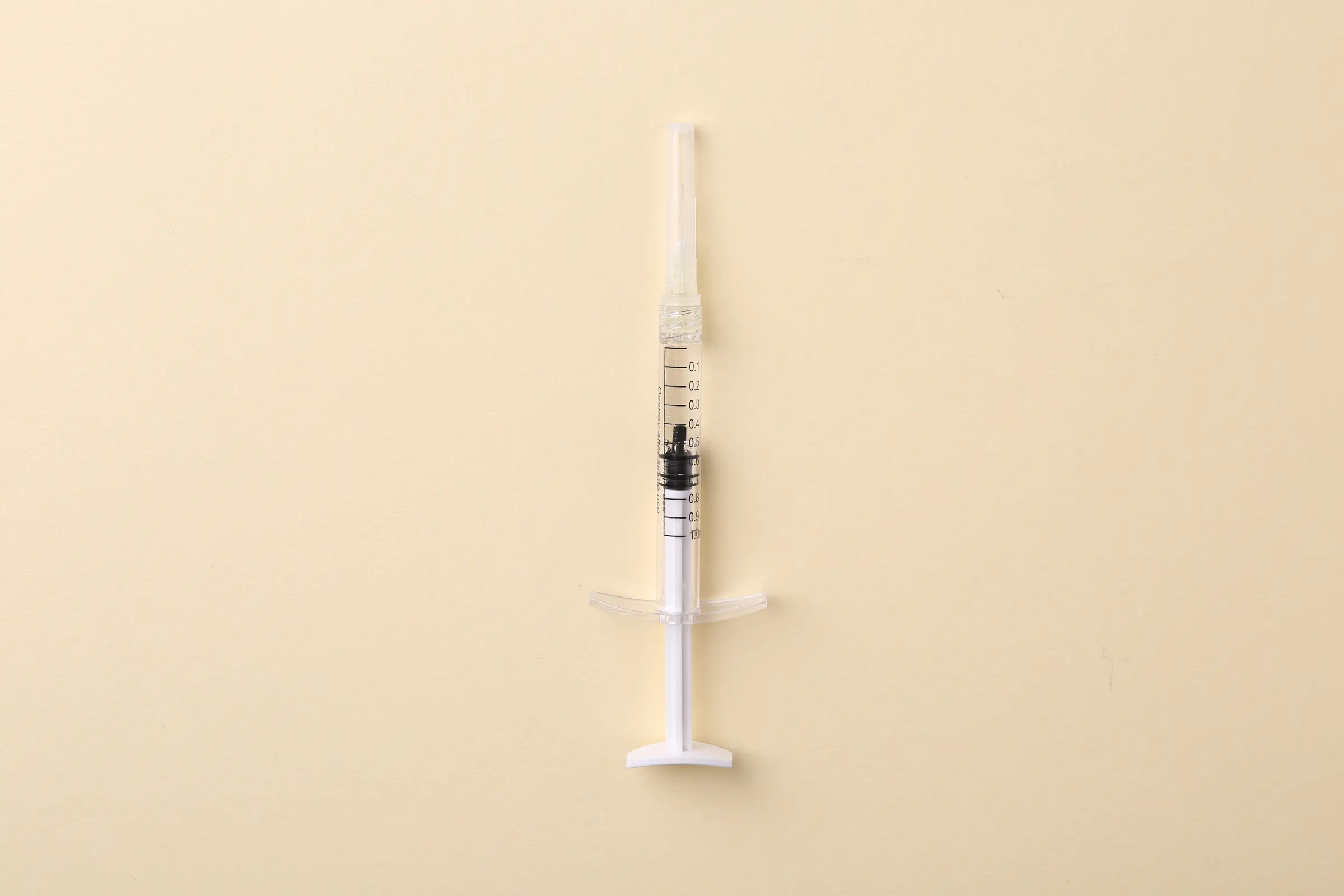
Sometimes, and often not. One syringe is roughly a teaspoon of volume, which goes a long way in lips and very little across a jawline or a pair of cheeks. Structural areas usually need more than one, either in a single session or staged over several months. Your provider gives you an honest syringe estimate at consultation, including what a partial plan can and cannot accomplish, so you can decide how to phase it.
This page is for general education and is not medical advice. Dermal fillers are prescription medical devices administered only after evaluation by a licensed provider who determines that treatment is appropriate for you. Individual results vary and no outcome is guaranteed. Duration figures are typical ranges, not commitments. Prices are subject to change and this page is not inclusive of all services, products, and discounts.